Curtain, Blinds and Interior Design Websites: Why Your Catalogue Matters More Than Your Homepage
Customers choose curtains and interiors on their phone, long before they call. Here is what your catalogue needs, with a real rebuild.
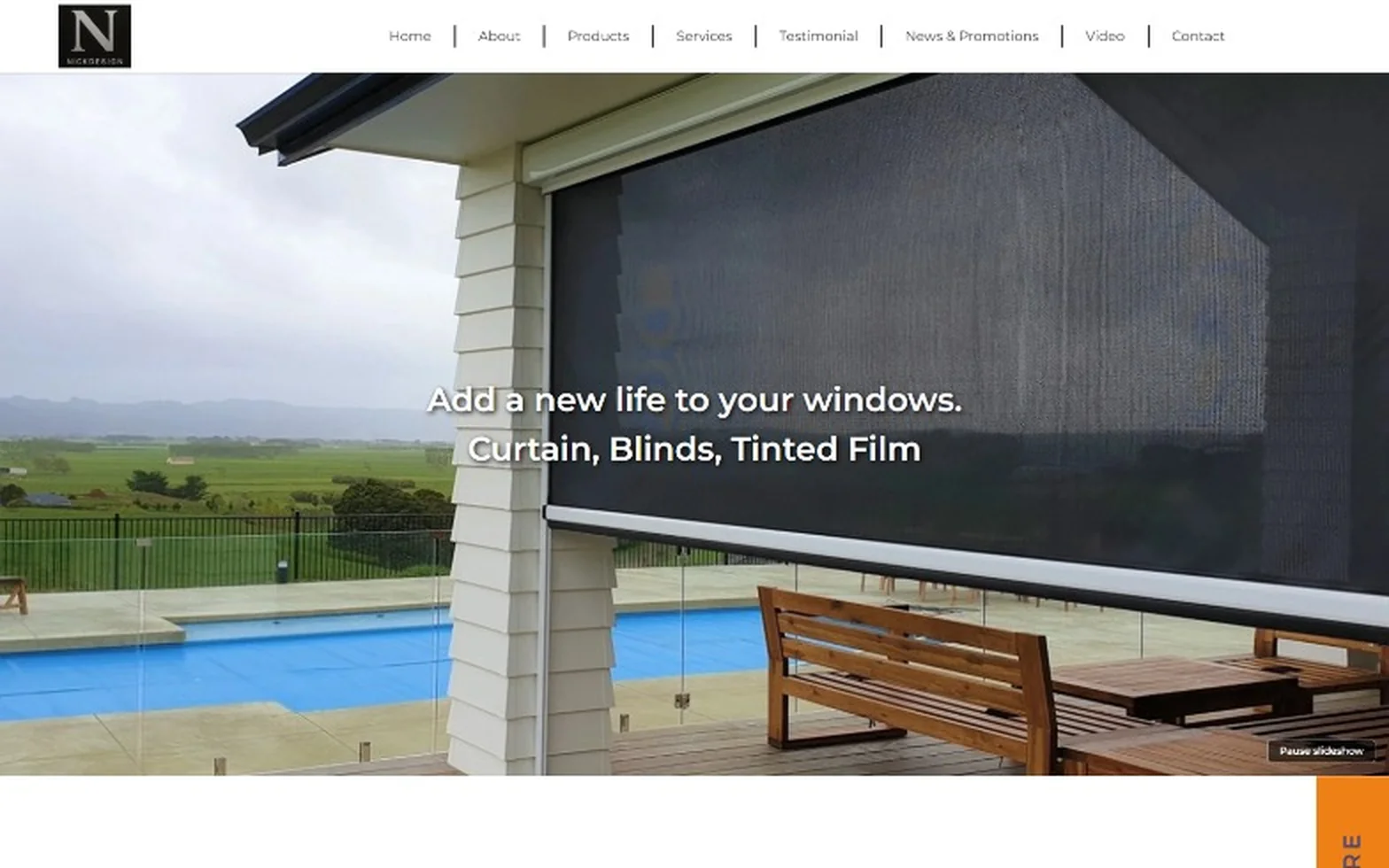
Nobody wakes up wanting "window treatment solutions".
They just moved into a new condo and the afternoon sun is killing them. Or they are renovating, the ID asked "curtain or blinds?", and they have no idea. So they search, they scroll through photos, and they save the ones that look like their home.
For curtain, blinds, furniture and interior design businesses, the website is really a catalogue and a showroom. The homepage matters less than most owners think. The product pages and the photos do the selling.
How customers buy curtains, blinds and interiors
The journey is longer than people expect, and a lot of it happens before they contact you:
- Get ideas
- Choose the type
- Look at fabrics and colours
- Book a measurement
- Quotation and installation
The first three steps happen on their phone, often at night, sometimes over weeks. If your website only says "Contact us for a quotation", you are missing most of that journey.
What the website should do
One page for each product type
Roller blinds, zebra blinds, day and night curtains, motorised curtains, window film. Each one is a different search and a different customer. Give each its own page with real photos, where it works best (bedroom, living hall, office), and the usual questions people ask.
Photos from real Malaysian homes
Customers want to see your product in a home that looks like theirs, a terrace house or a condo unit, not a European villa. Photos from your own installations are the strongest proof you have. Use clear file names and describe them properly. Google's own image guide recommends useful alt text and descriptive file names over keyword stuffing (Google image SEO).
Explain how the price works
You may not want to show exact prices, and that is fine. But explain what changes the price: window size, fabric, lining, motorisation, number of windows. People who understand the price are less shocked by the quotation.
Make the measurement visit easy to book
For made-to-measure products, the site visit is the real conversion. Say which areas you cover, whether measurement is free, and how long installation usually takes after confirmation. Then make booking a visit one tap on WhatsApp.
A catalogue your staff can update
New fabrics arrive. Old ones are discontinued. If every catalogue change needs a developer, the website will fall behind your showroom within months.
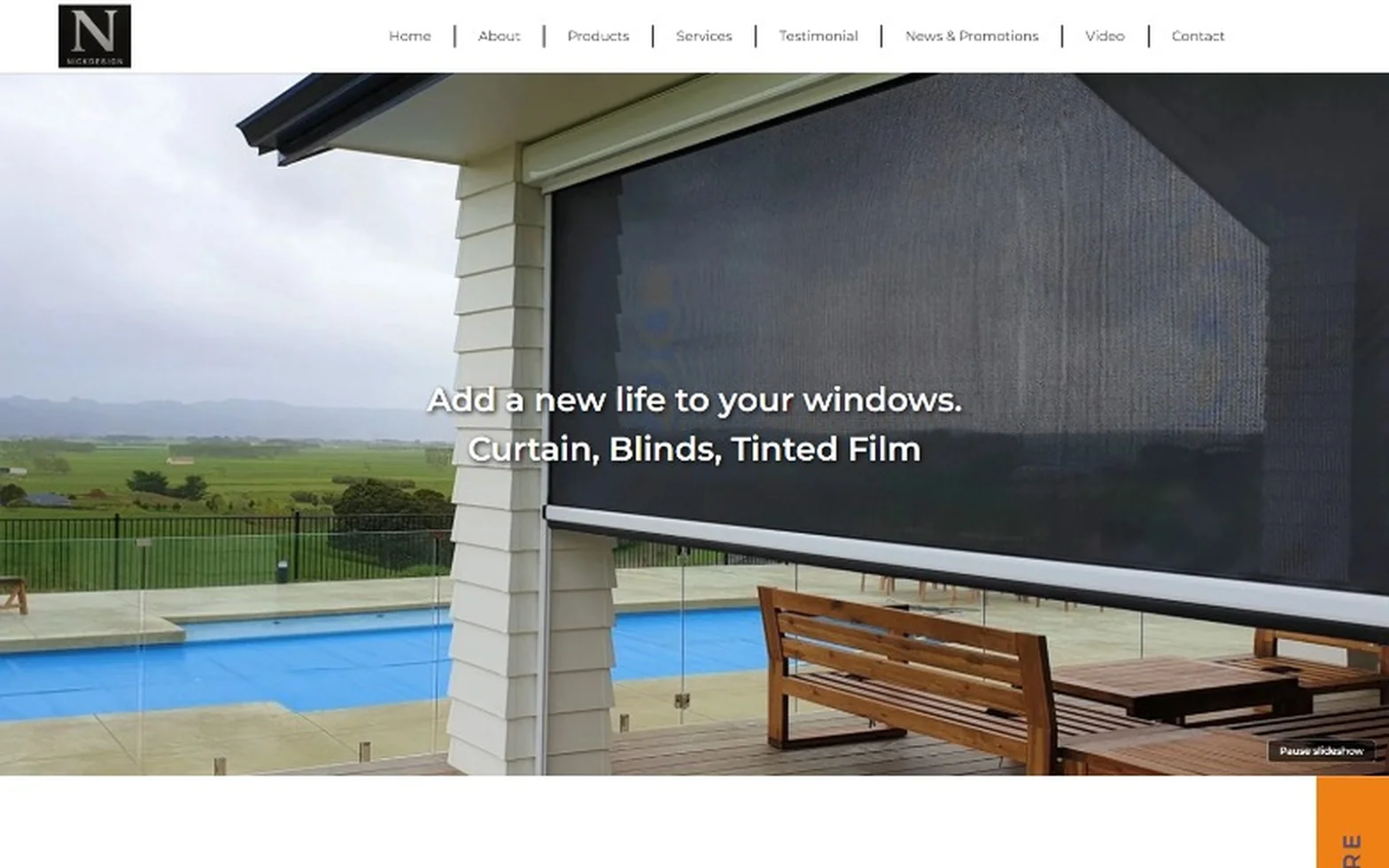
A catalogue website I rebuilt: Nick Curtain
Nick Curtain sells curtains, blinds and window film. Their story is a good reminder that sometimes the problem is not the design.
What happened
- The situation
- They had been paying around RM3,000 every year for many years, and the original development cost was around three times my pricing. What surprised me most: they still did not have full ownership of their own catalogue website.
- What I changed
- We kept the layout they already liked and rebuilt the site with full ownership, cleaner maintenance, proper 301 redirects to protect their Google visibility, and much lower yearly running costs. I also trained them to edit the catalogue themselves.
- The lesson
- A catalogue business changes products all the time. Owning the website, and being able to update it yourself, is worth more than a new look. And when you move a site, redirects matter: a permanent (301) redirect tells Google the new address is the one to show (Google Search: redirects).
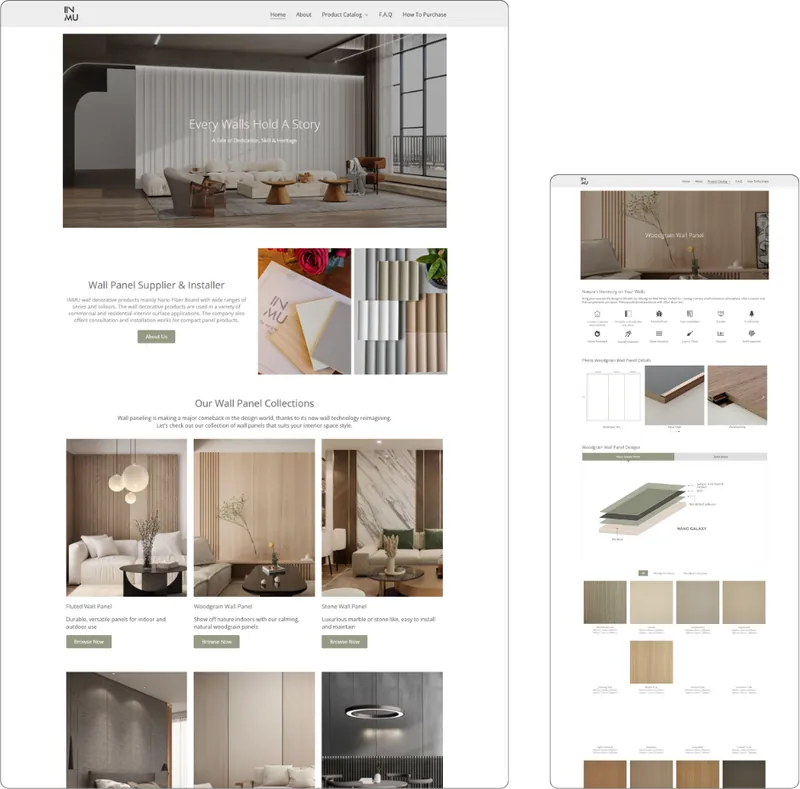
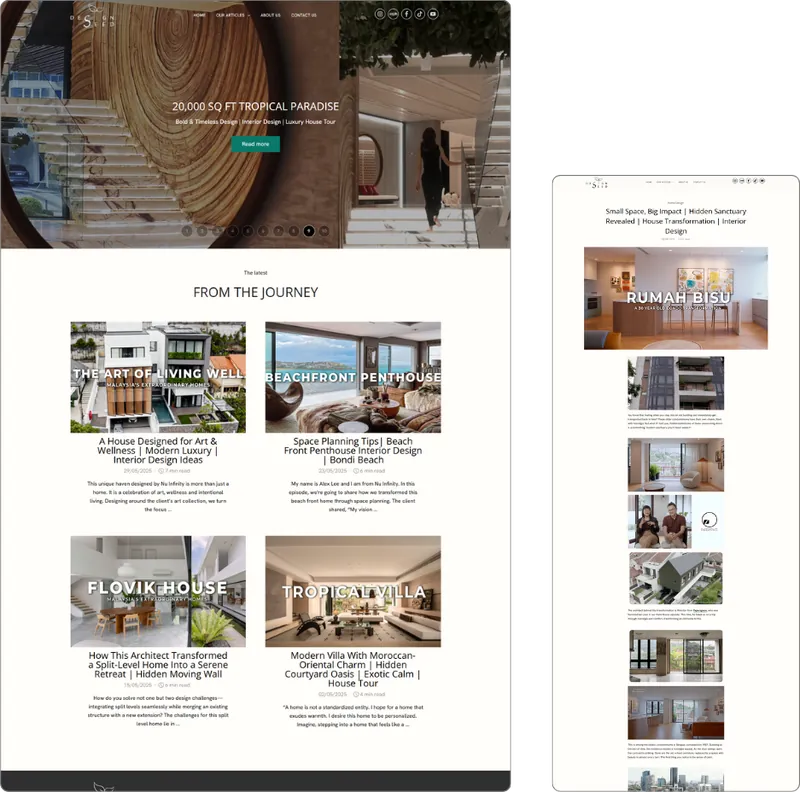
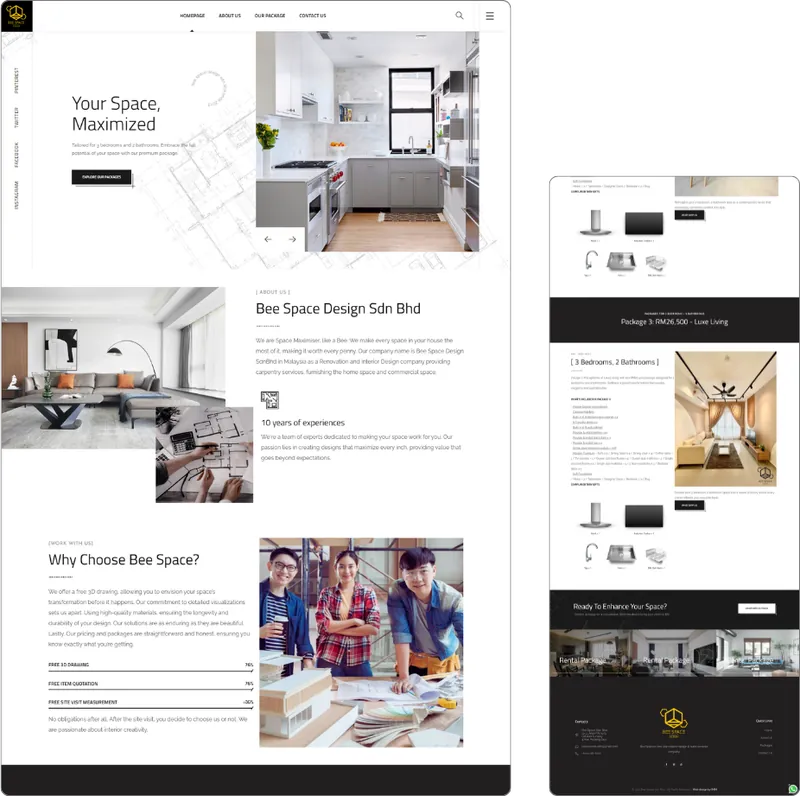
More home and interior websites from my portfolio. Each one leans on real photos of finished spaces.
Google, Instagram or both?
For this industry I don't think it is one or the other. They do different jobs.
- Instagram, Facebook and Xiaohongshu are good for the "getting ideas" stage. People save photos and come back later.
- Google search is where people go when they are ready: "zebra blinds Cheras", "motorised curtain price", "curtain shop near me". That is the moment to show up with a proper product page.
If you run Google Ads, send each product search to its own page, limit ads to the areas you can install in, and exclude searches like "DIY", "Shopee" or "IKEA" if you don't sell that way (negative keywords). More on how I set up Google Ads.
Mistakes I see quite often
- A beautiful homepage, then product pages with one small photo and two lines of text.
- The whole catalogue as one big PDF that is slow to open on a phone.
- Stock photos of foreign homes, while the owner has hundreds of real installation photos.
- No area coverage, so customers don't know if you will come to their house.
- Paying every year for a website the business doesn't fully own.
Your installation photos are your best salesperson. Let them work.
Where I would start
Pick your five best-selling products and give each a proper page with real photos. Make the measurement visit easy to book. Then make sure you own the website and can update the catalogue yourself.
If you are paying a yearly fee and not sure what you are getting, read who really owns your website and what website maintenance should cost.
References
Selling curtains, blinds or interiors?
Send me your website or catalogue. I’ll tell you which pages I would improve first.
Show Lucian My WebsiteWhat I can help with
- Business Website Design
- Website Redesign / Revamp
- Custom Software & Web Applications
- Google Ads Management
- AI Consulting & AI Solutions
- Domain & Web Hosting
No hard sell. If you need help, just ask.

Written by
Lucian Yong
Freelance web designer and digital business specialist in Malaysia with experience designing 582 websites across different industries.